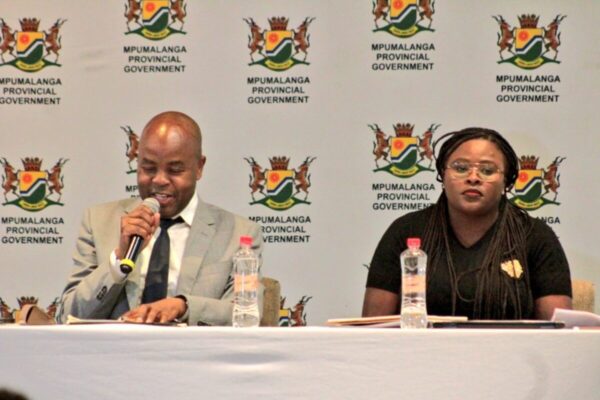
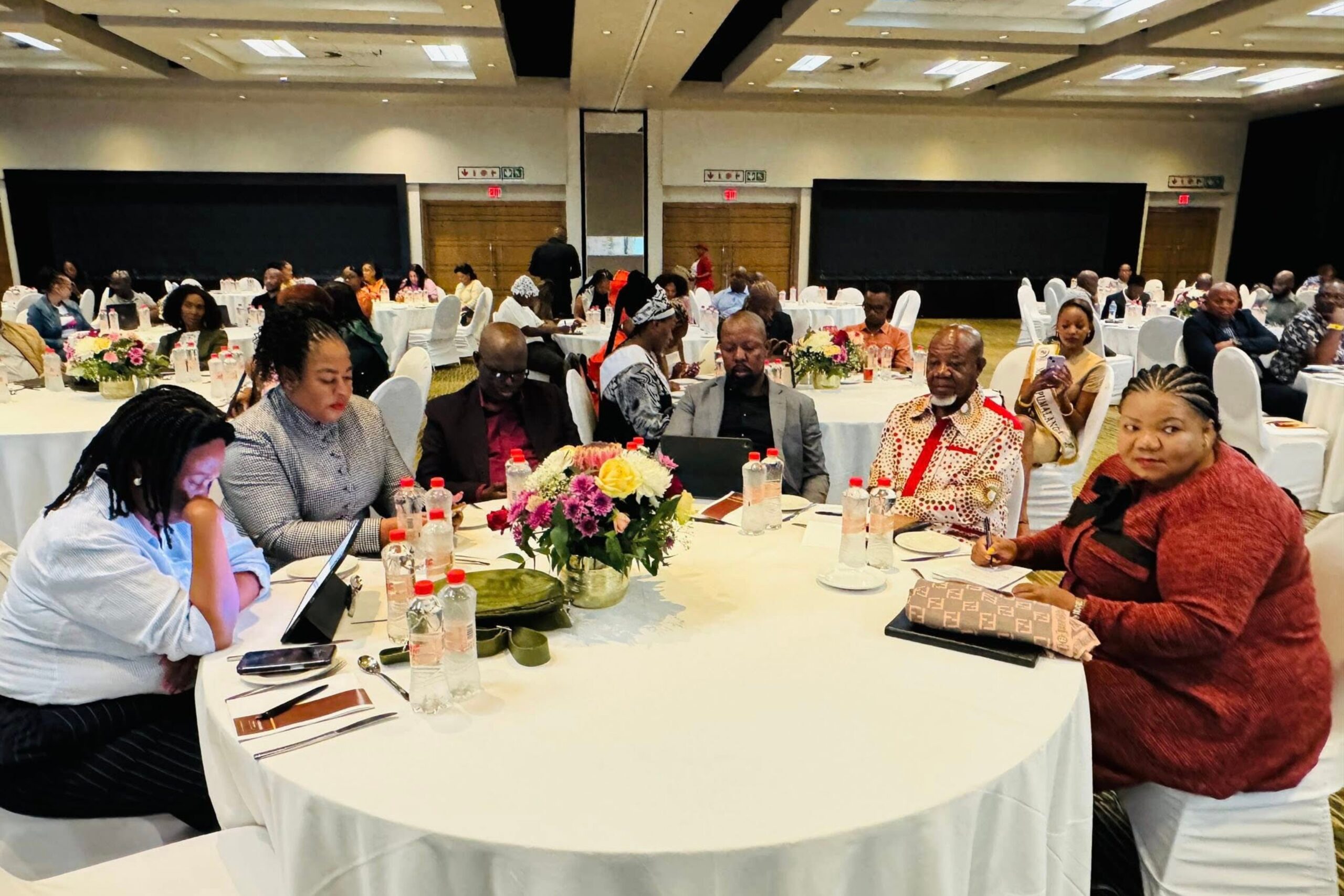
Sonke, as a Co-chairperson of the Mpumalanga Provincial Gender-Based Violence and Femicide Council convened a meeting on the 6th of November 2025, to review progress and adopt strategic measures to combat GBVF across the province. The meeting brought together government officials, civil society organisations, traditional leaders, and community members.
According to the South African Police Service’s August 2024 report, homes remain some of the most dangerous places, especially for women and girls. During the reported period, more than seventy people were killed in their own homes, most by someone they knew, highlighting the danger that often comes from those closest to us.
The data also shows alarming levels of physical violence, with 446 reported cases of assault with intent to cause grievous bodily harm, 314 involving female victims and 132 male victims. In Bushbuckridge, Mpumalanga, 127 cases of attempted murder were recorded, 73 of them occurring in homes.These figures also paint a stark picture that while women and girls continue to bear the brunt of GBVF, violence against men, LGBTQIA+ persons, and persons with disabilities remains under-reported and inadequately addressed, pointing to gaps in both prevention and support mechanisms.
 Speaking at the meeting, Mpumalanga Premier Mandla Ndlovu reiterated the words of President Cyril Ramaphosa when he said that GBVF is South Africa’s “second pandemic” calling for better coordination across government and civil society.
“The President recognised that GBVF has reached intolerable levels, impacting individuals across all demographics and eroding the very fabric of our society. This declared second pandemic has further been regarded as a global scourge. It is for this reason that it is one of the burning topics at the G20 summit here in our country.” Ndlovu said.
As Co-Chair, Sonke shared reflections from the Inkanyezi Project, emphasizing the need for gender-responsive budgeting, sustainable support for civil society, and closing service delivery gaps.
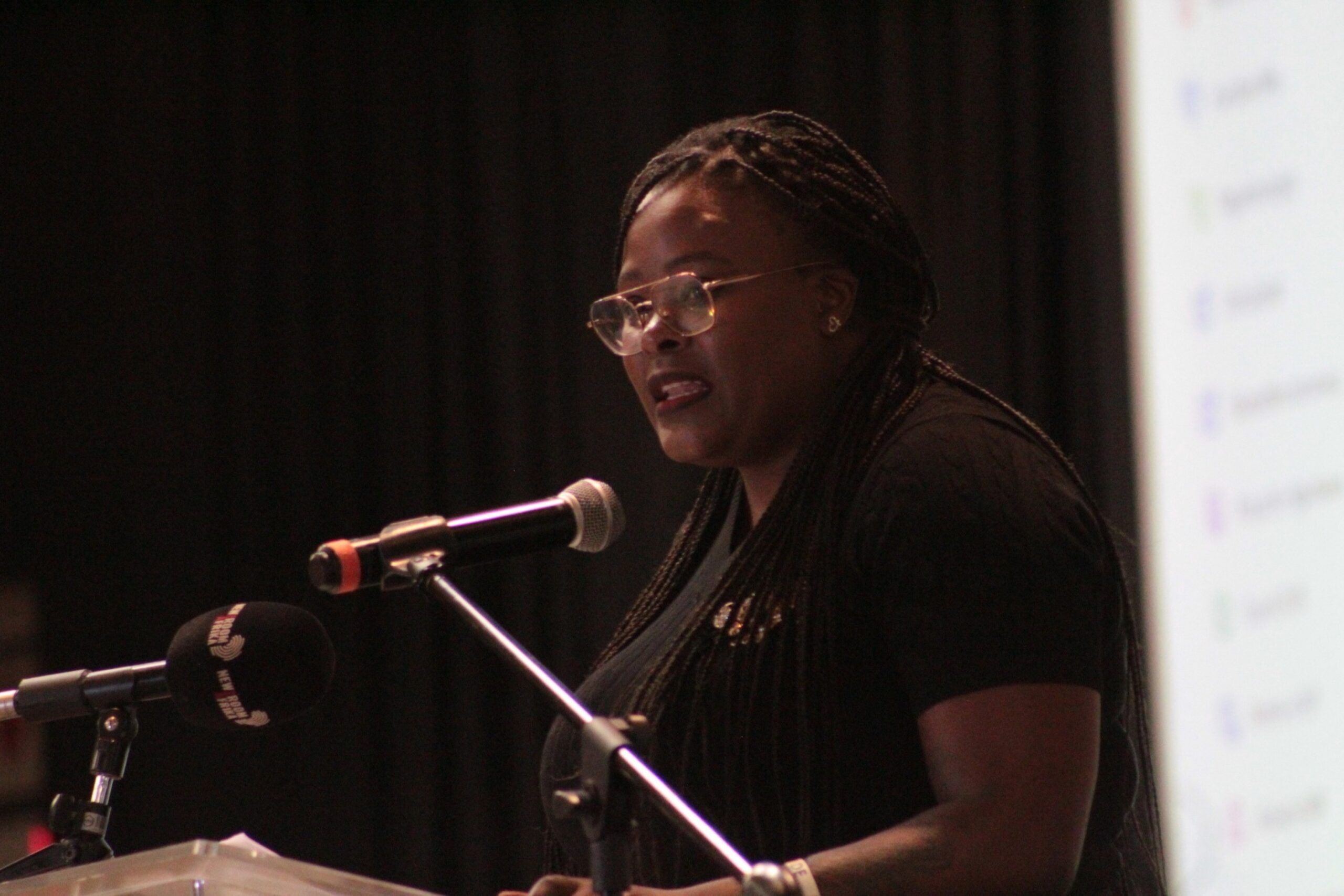
‘Rural communities, particularly in Bushbuckridge, face challenges in accessing justice and psychosocial services such as shortages of forensic nurses, social workers, and trauma counsellors, limiting survivor care. There is an absence of a designated forensic laboratory to fast-track DNA testing and no Thuthuzela Care Centre to provide integrated services’’, said Nomalanga Ngwenya, Inkanyezi Project Manager and lead on the GBVF Council.
 The Council adopted 16 resolutions aimed at strengthening the province’s response. These include improving reporting systems to include sex-disaggregated quarterly targets, broadening GBVF definitions to encompass vulnerable and marginalised groups, and establishing Moral Regeneration Movement structures in all districts. Interventions with perpetrators in identified hotspots also will be strengthened, and critical service gaps addressed through the establishment of a Thuthuzela Care Centre and enhanced forensic services.
‘What is important for us to note as we do this work is that survivor voices must remain central to ensure that policies, budgets, and programmes translate into real and measurable outcomes’’ Ngwenya adds.
By aligning policy, budgets, and service delivery, Premier Ndlovu said Mpumalanga aims to close justice gaps, improve survivor care, and make gender-responsive governance a reality in the province.