From 27 to 30 April 2026, more than 6 000 activists, researchers, policymakers, funders, and movement leaders from 189 countries gathered in Narrm (Melbourne), Australia, for the Women Deliver 2026 conference. For four days, the Melbourne Convention and Exhibition Centre became a meeting point for some of the world’s most urgent conversations on gender justice, sexual and reproductive health and rights (SRHR), and the future of feminist movements.
The conference took place at a time of growing uncertainty for gender justice movements globally. Across many regions, funding for gender equality and SRHR programmes is shrinking, while anti-rights movements continue to gain ground. Against this backdrop, the theme of the conference, Change Calls Us Here, felt less like a mantra and more like a collective call to action.
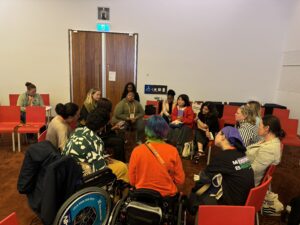
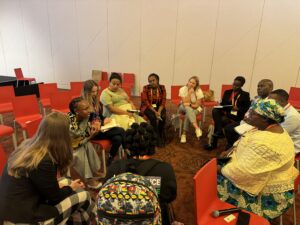
For Sonke Gender Justice, attending Women Deliver 2026 was not only about participating in global discussions. It was about creating space for voices that are too often excluded from those conversations and ensuring that disability justice remains central to the future of SRHR advocacy.
In partnership with Sightsavers, Hope Resurrect Trust, Liliane Fonds, Cheshire Disability Services Kenya, and Norad, Sonke hosted a concurrent session titled Intersecting Realities: Young People with Disabilities and Sexual and Reproductive Health and Rights (SRHR). The session focused on the lived realities of young people with disabilities, who continue to face systemic barriers to healthcare, bodily autonomy, access to information, and meaningful participation in decision-making spaces.
The discussion opened with a panel of speakers who brought both technical expertise and lived experience into the room. Conversations centred on bodily autonomy, informed consent, accessible healthcare systems, inclusive SRHR programming, gender identity, and the importance of ensuring that young people with disabilities are not merely represented symbolically but actively shaping the decisions that affect their lives.
Rather than following a traditional conference format, the session transformed into a Knowledge Café. Participants moved between themed discussion corners, engaging directly with speakers and one another in smaller, more personal conversations. The format encouraged collaboration instead of passive listening, allowing participants to collectively reflect on the challenges facing disability-inclusive SRHR work and to exchange practical strategies grounded in community realities.
What emerged from those discussions was a shared recognition that inclusion cannot remain an afterthought. Disability rights and SRHR movements have often operated separately, despite the deep connections between them. The session challenged that divide, calling for stronger collaboration, more intentional partnerships, and approaches that recognise the intersectional realities young people navigate every day.
Before the session concluded, participants were invited to make concrete commitments toward advancing disability-inclusive SRHR in their own organisations and communities. These commitments will continue beyond the conference through a follow-up engagement process designed to sustain collaboration and accountability long after delegates returned home.
Throughout the conference, Sonke also joined wider conversations on gender justice, bodily autonomy, care work, youth participation, and movement building. As conversations from Melbourne continue to ripple outward, the challenge now is ensuring that the momentum generated during those four days translates into lasting action within communities, institutions, and movements across the world.
Change calls us here. Sonke answered.