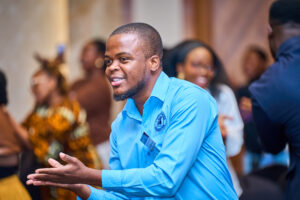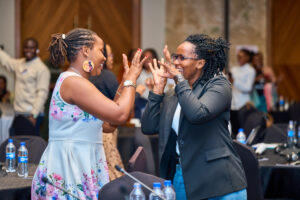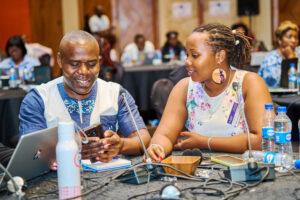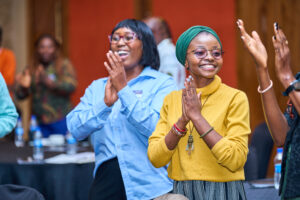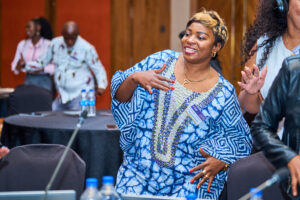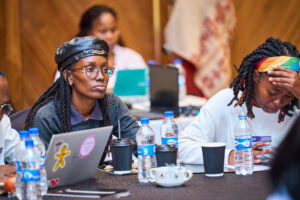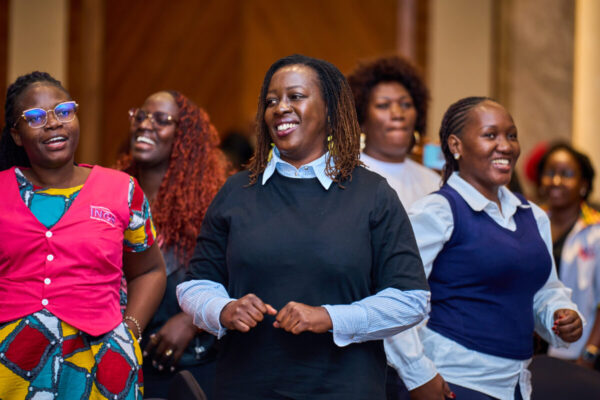
From November 24–26, 2025, youth advocates, feminist leaders, policymakers, and grassroots movements lit up Nairobi, Kenya, united by a common purpose, to demand action on Sexual and Reproductive Health and Rights across Africa. The convening was hosted by Sonke Gender Justice and partners, a deliberate act of solidarity in the face of shrinking civic space, funding crises, and growing anti-rights narratives.
The convening opened with a reminder that “change calls us here.” In his remarks, Sonke’s Sexual and Reproductive Health and Rights Specialist Jude Thaddeus Njikem captured the spirit of the moment, noting that while Africa has the youngest population in the world, progress on SRHR is stalling and in some cases reversing. Aid cuts threaten to deny millions access to contraception, leading to unintended pregnancies and maternal deaths. Against this backdrop, participants came together to imagine sustainable financing, critique existing human rights frameworks, and elevate African feminist and youth leadership on the global stage.
“We must pressure our governments to honor their Abuja Declaration commitment to allocate at least 15 percent of national budgets to health, and we must insist that donor nations reverse harmful cuts. Above all, we must stand together across generations, across movements, across countries. Our diversity is our strength, our unity is our power”, proclaimed Njikem
In the same breath the CEO of Women Deliver, Dr. Maliha Khan rendered a remarkable keynote address echoed broader global concerns. “There’s been a rollback on all our rights. The civic space that we’ve all enjoyed so much has been quickly shrinking by design for those who don’t want us to be able to enjoy these rights”.
“Overseas development assistance is not charity, it is reparations for the injustices that have been done historically and therefore must continue to be owed by the global minority to the global majority, particularly for Africa”, Khan added.
One of the most powerful interventions came from Omale Joy Ojochide, a 19-year-old Nigerian student and youth leader. She described how harmful gender norms restrict girls’ choices from childhood, pushing them into early marriage, pregnancy, and unsafe sexual encounters. She reminded the audience that boys too are trapped by expectations of dominance and silence, perpetuating cycles of violence and unhealthy relationships. Her words resonated deeply: “We are not the leaders of tomorrow, we are the leaders of today.”
Over three days, participants worked to transform evidence into action. The convening emphasised feminist, survivor-centred, and rights-based approaches, intergenerational leadership, and the importance of inclusion and accessibility. The convening produced a set of outcome as directed at the African Union, member states, donors, civil society, and Women Deliver itself. These included strengthening the AU Convention on Ending Violence Against Women and Girls, ensuring dedicated SRHR and GBV budget lines, mandating comprehensive sexuality education in schools, and guaranteeing meaningful youth participation at Women Deliver 2026.
The atmosphere in Nairobi was one of urgency but also hope. Despite funding cuts and political challenges, the convening demonstrated that Africa’s strength lies in its diversity and unity. By centering youth voices, demanding accountability, and insisting on sustainable financing, the movement is charting a path toward a future where SRHR and gender equality are non-negotiable.
As the road to Women Deliver 2026 continues, the Nairobi convening will be remembered as a turning point a moment when African voices rose together to say: we will not sit quietly while rights are rolled back. Change calls us here, and we are ready to meet it.