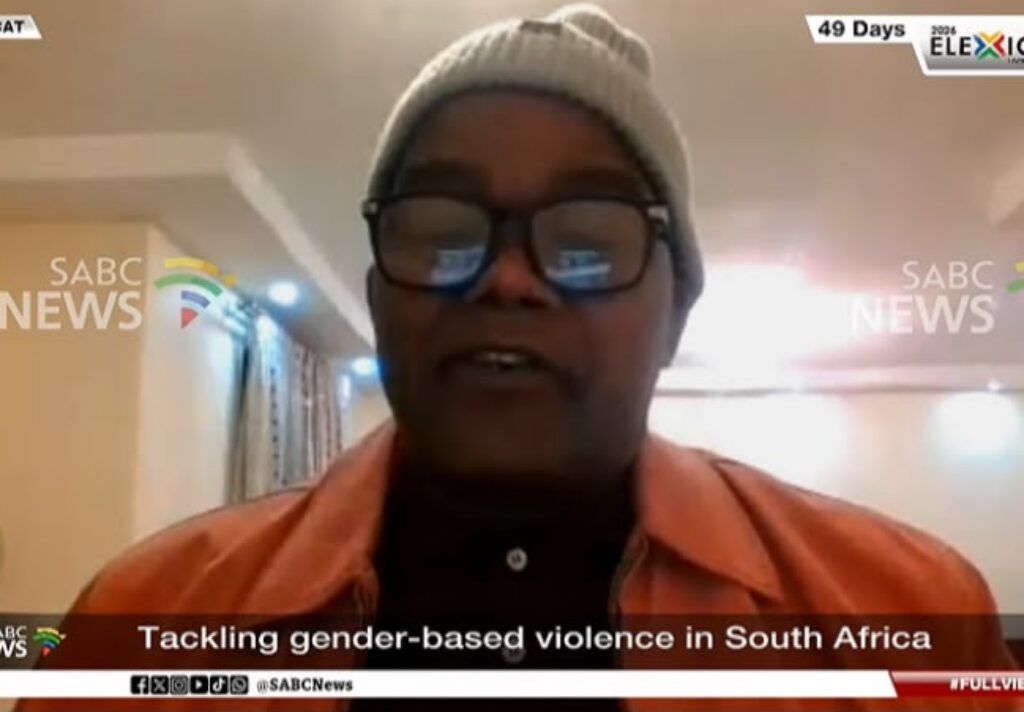
The Generation Gender (GenG) Coalition officially launched its 2024 Social Audit Report. This follows an in-depth audit process conducted last year across six key GenG implementation sites in KwaZulu-Natal, Gauteng, and the Eastern Cape. The social audit brings to light critical insights into how young people experience and engage with gender justice services and mechanisms in their communities.
The social audit was driven by a participatory approach that centred the voices and lived experiences of young people, particularly girls, young women, and gender-diverse youth, across sites including Inanda and Mthwalume (KZN), Orange Farm and Tembisa (Gauteng), and Butterworth and Mthatha (Eastern Cape). The process gathered community perspectives on Gender-Based Violence (GBV) prevention, service delivery, youth participation in governance, and access to justice.
Key Outcomes and Findings
The report highlights several systemic barriers that continue to hinder meaningful youth participation in local governance structures and the delivery of essential gender justice services. These include:
- Most respondents (63%) across the target provinces were unaware of who their local ward councillor was.
- There is a significant gap in information dissemination regarding Integrated Development Plans (IDPs), with many respondents, particularly in Gauteng (54.3%), having never heard of them.
- Respondents in KwaZulu-Natal (KZN) and Gauteng (GP) expressed a higher degree of displeasure and frustration due to a lack of service delivery and “empty promises” made during community meetings, leading to skepticism about their effectiveness.
- Youth participation in decision-making processes was perceived as minimal and token by many respondents, while younger individuals highlighted socioeconomic barriers like unemployment and lack of resources as hindrances to their involvement.
- A recurring theme, especially in KZN and GP, was the call for local leaders to be held accountable and for residents’ concerns to be addressed, indicating a lack of feedback and accountability mechanisms in IDP meetings.
As part of the report launch, the GenG Coalition convened a series of dialogues and knowledge-sharing platforms with youth activists, community stakeholders, and local government decision-makers from all six sites. This sought to reflect on the findings, identify opportunities for stronger partnerships, and map out a clear path forward for improved service delivery and youth inclusion in decision-making processes.
“The Generation G social audit report was enabled by youth reps within the Generation G key sites. It is a move towards active citizenry to hold duty bearers at the local government level accountable to address GBV”, said Namuma Mulindi, Sonke’s Policy and Advocacy Specialist.
Read the full report here.